What Is Sound Healing Therapy?
Not everything that heals comes in a bottle. Sometimes, it’s a sound. A tone that vibrates through your chest. A hum that steadies your breath. A moment of stillness filled with resonance you didn’t even know your body needed. That’s the beginning of what we call sound healing therapy, but let’s break it down in plain terms.
The Body Hears More Than the Ears
Here’s the thing: you’re always vibrating. Not metaphorically, literally. Your heart, your blood, your nervous system, they all operate through waves and signals. Your brain’s full of frequencies. That’s how you think, dream, remember. So when we talk about what is sound healing therapy, we’re talking about working with those natural frequencies, like tuning a piano that’s been a little out of key.
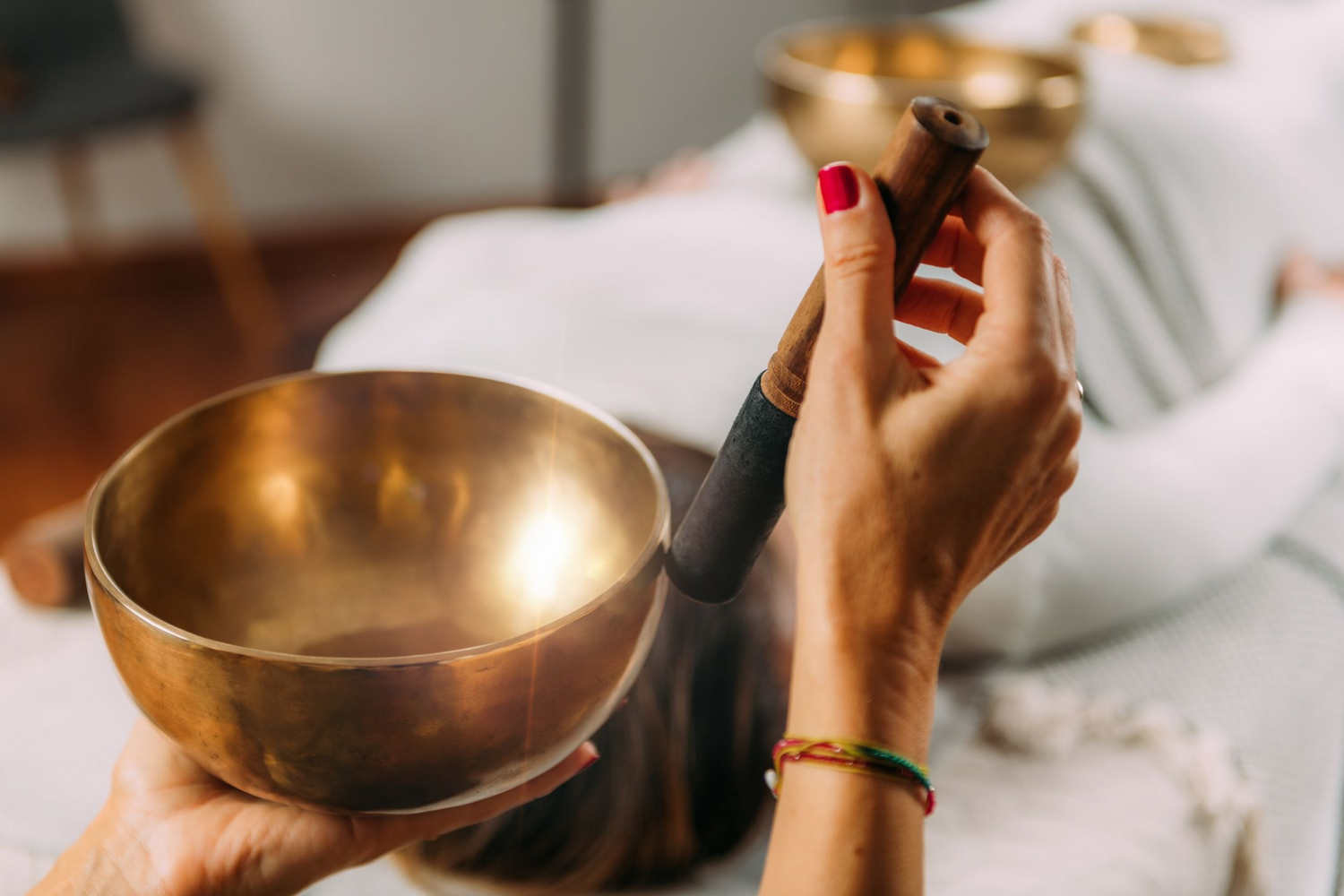
In sound healing sessions, instruments like Tibetan bowls, gongs, tuning forks, and chimes are used to create vibrations that help realign the body and calm the mind. It’s not random noise, it’s carefully crafted frequency work. And most people feel it right away. A kind of softening. A reset. Like something deep inside finally takes a breath.
Science Meets Stillness
Now this isn’t just a spiritual thing, it’s biological too. Studies have shown that sound therapy can help shift brainwaves from the high-alert beta state (think: anxious, overthinking) to alpha or even theta states, which are more relaxed, meditative, and creative. Those are the states where real healing happens, where your parasympathetic nervous system takes over and finally says, “Hey, we’re safe now. You can relax.”
One 2016 study in the Journal of Evidence-Based Integrative Medicine found that after just one sound bath session, participants reported less tension, less anger, less fatigue. Blood pressure dropped. Breath slowed. This isn’t magic. It’s your body responding to vibration, something it’s been doing since the womb.
You Don’t Have to “Get It” to Feel It
The best part? You don’t need to understand any of this to benefit from it. You don’t have to be into chakras or believe in crystals. You can come in skeptical and still walk out feeling lighter. Because sound doesn’t care what you believe. It just moves through you. And if you let it, it helps reset something you didn’t even realize was frayed.
In fact, that’s often how people discover sound healing. They didn’t plan to, they just heard about it, tried it once, and realized something subtle but powerful had shifted.
What Happens in a Sound Healing Session?
You’ll likely lie on a mat or massage table, covered with a blanket, maybe an eye mask. The room will be dim, quiet. The practitioner may start with soft bells or tuning forks, slowly introducing deeper tones, maybe from a gong, maybe from a crystal bowl. The sounds don’t just fill the room, they seem to pass through you.
Many people fall into a dreamlike state. Some feel emotions rise up. Some cry. Some feel… nothing, and then sleep better than they have in months. There’s no one “right” experience. That’s part of what makes it so gentle. It meets you where you are.
Is Sound Healing for Everyone?
Short answer: almost. It’s safe, non-invasive, and deeply calming. People come for all kinds of reasons, stress, insomnia, grief, burnout, emotional overwhelm, even chronic pain. Some just come because they feel disconnected and want to get back in touch with themselves.
Sound therapy is also used alongside other treatments, talk therapy, physical therapy, even addiction recovery. It’s not a replacement for medical care. But it can be a powerful partner.
So… What Is Sound Healing Therapy, Really?
It’s a way to come home to your body. To give your mind a break. To listen in a new way.
It’s not loud. It’s not performative. And it’s not about fixing something “wrong” with you. It’s about reminding your body and mind what harmony feels like, so it can find its way back.
Frequently Asked Questions (FAQs)
Q: Is sound healing therapy safe?
Yes. It’s non-invasive, drug-free, and safe for most people. If you have sound sensitivities or certain neurological conditions, talk with your provider first.
Q: How often should I go for sound healing?
Some people come weekly, some monthly, some just once in a while. It depends on what your body needs and how you feel after a session.
Q: Do I need to bring anything?
Just yourself. Wear something comfortable. Some people like to bring a blanket or journal. That’s it.
Q: Can sound healing help with anxiety or depression?
It can help regulate the nervous system and bring emotional relief. It’s not a cure, but many people find it complements their mental health routines really well.
Q: Do I have to believe in it for it to work?
Nope. Sound moves through you whether you believe in it or not. All you have to do is show up and listen.


Leave a comment
This site is protected by hCaptcha and the hCaptcha Privacy Policy and Terms of Service apply.