Yogalates therapy. You may have heard the word tossed around in wellness circles or seen it on a studio schedule sandwiched between hot yoga and Pilates reformer class. But what is it, really?
Is it yoga? Is it Pilates? Is it therapy?
Well, yes. And also, not exactly in the way you might think.
Yogalates therapy isn’t about mastering poses or chasing after the perfect abs. It’s about connection, between movement and breath, body and mind, effort and release. At its core, it’s a gentle blend of two traditions that invite you to strengthen from the inside out while staying grounded, aware, and kind to yourself in the process.
Let’s walk through what that actually feels like, without the fancy language, without the fluff. Just real talk.
What Makes Yogalates Therapy Different?
First, let’s get one thing out of the way: Yogalates therapy is not a competition. No one’s checking your form with a clipboard or pushing you into deeper poses just to prove something. You show up as you are. That’s the starting point. Every single time.
Yogalates combines the core-strengthening focus of Pilates with the calming, flexibility-building aspects of yoga. That means you’ll stretch, breathe, engage your muscles, and move with intention, but you won’t leave the session feeling drained. If anything, most people leave feeling like they’ve come home to their bodies after being away too long.
And here’s the part people don’t always talk about: Yogalates therapy can be deeply emotional. Not because you’re crying on the mat (though hey, that happens sometimes), but because when you move slowly and intentionally, old tension comes up. The kind you didn’t even know you were holding. That’s where the “therapy” part of Yogalates really begins to shine.
It’s Not About Perfection
Most fitness spaces ask you to push, burn, sweat. To hit goals. To look a certain way by a certain time.
But Yogalates therapy whispers something else entirely: “What if you don’t have to push so hard to feel better?”
You breathe. You stretch. You find your edge, not by forcing it, but by listening. And that small shift, choosing presence over pressure, can change the way you relate to your entire body.
What Happens in a Yogalates Therapy Session?
You’ll usually begin lying down. That surprises people. But it’s part of the reset. You land. You check in. Your teacher might guide you through some breathwork first, just to get you centered. Then come slow, mindful movements, think bridges, gentle leg lifts, and core activation, paired with breath cues.
After that, it starts to feel a little more flowy. Maybe some cat-cow stretches. Maybe some spinal twists or low lunges. Not because you’re racing through a sequence, but because your body’s warming up to the idea of opening.
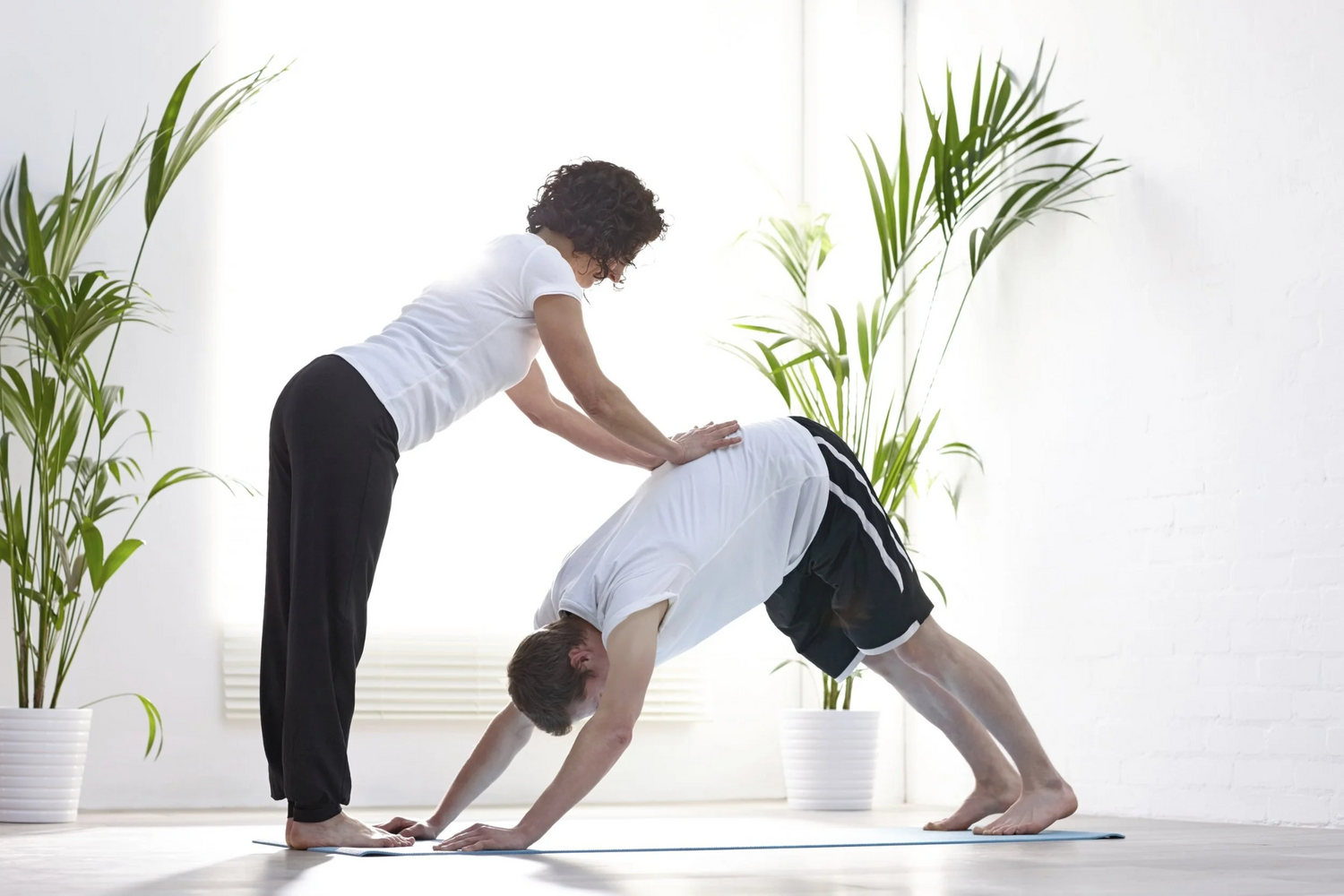
Everything in Yogalates therapy is low impact, but don’t mistake that for easy. Holding a plank with proper alignment? That’s no joke. But the beauty is, you’re never doing it alone. Your instructor’s watching, guiding, encouraging, not correcting like you did something wrong, but gently nudging you to feel your body differently.
Who Is Yogalates Therapy For?
You don’t have to be flexible. You don’t need a six-pack. You don’t even need experience. If you have a body and a breath, you can practice Yogalates therapy.
People come in for all kinds of reasons:
- Back pain that won’t go away
- Core weakness after childbirth
- Anxiety that seems to live in the shoulders
- A desire to reconnect with their body after illness or burnout
And some people just want to feel strong again, strong in a way that isn’t tied to mirrors or measurements, but to how they move through life.
What Makes It “Therapy”?
Yogalates therapy works on both a physical and emotional level. As your body softens, so does your mind. You begin to notice your thought patterns. You start to recognize how often you clench, brace, or rush. And slowly, you learn a new way.
It’s not therapy in the traditional “sit on a couch and talk about your feelings” sense. But it is therapeutic. In the way it opens you up, grounds you, and helps you notice what you’ve been carrying.
Some practitioners work alongside licensed therapists, physical therapists, or trauma-informed professionals. Others bring their own background in mental health, guiding you through movement that feels safe and emotionally spacious.
Why People Keep Coming Back
Let’s be honest: there are a million fitness trends out there. But most of them don’t stick. Why?
Because they’re exhausting. Because they’re rigid. Because they expect you to fit into them, instead of meeting you where you are.
Yogalates therapy does the opposite. It meets you.
No pressure. No performance. Just breath, movement, and presence.
And once you feel what that’s like, it’s hard to go back to anything else.
Real Stories from the Mat
“I hadn’t worked out in years because everything felt too aggressive. My first Yogalates session felt like an exhale I didn’t know I needed. I cried in Savasana, not because I was sad, but because I felt safe.”
“I used to do hardcore Pilates and always ended up injured. This feels different. I’m still getting stronger, but I’m doing it with care. That’s new for me.”
“I come in feeling scattered. I leave feeling like I’ve been stitched back together. Every time.”
These aren’t just nice quotes, they’re real reflections from real people who’ve experienced Yogalates therapy as more than just a workout.
Frequently Asked Questions
Is Yogalates therapy okay for beginners?
Yes. In fact, it’s ideal. The movements are simple, and you’ll be guided the whole time.
What do I need to bring?
A yoga mat, maybe a towel. Some studios provide props. Most importantly, bring your breath and an open mind.
How often should I practice?
Start once a week. Let your body guide you. This isn’t a race.
Can I do Yogalates therapy at home?
Yes. Many instructors offer virtual classes. Just find a quiet space, roll out your mat, and begin.
Final Thoughts
Yogalates therapy is more than the sum of its parts. It’s not just yoga plus Pilates. It’s a space. A practice. A mindset.
In a world that moves fast and demands more, Yogalates invites you to slow down. To feel. To listen.
And maybe, just maybe, to heal in a way that sticks, not because you pushed harder, but because you finally let go.


Leave a comment
This site is protected by hCaptcha and the hCaptcha Privacy Policy and Terms of Service apply.